PartGuys

    Premium 3D Printing Materials

    High-performance materials engineered for strength, precision, and reliability
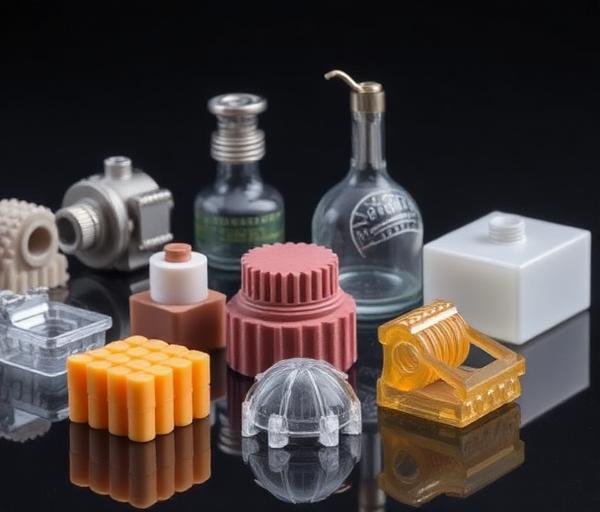
    PA12 Nylon Parts

    PA12 - Dark grey versatile engineering thermoplastic
    Glass-Filled Nylon

    PA12-GF - Enhanced strength with glass reinforcement
    ABS Prototypes

    ABS - Durable heat-resistant functional parts
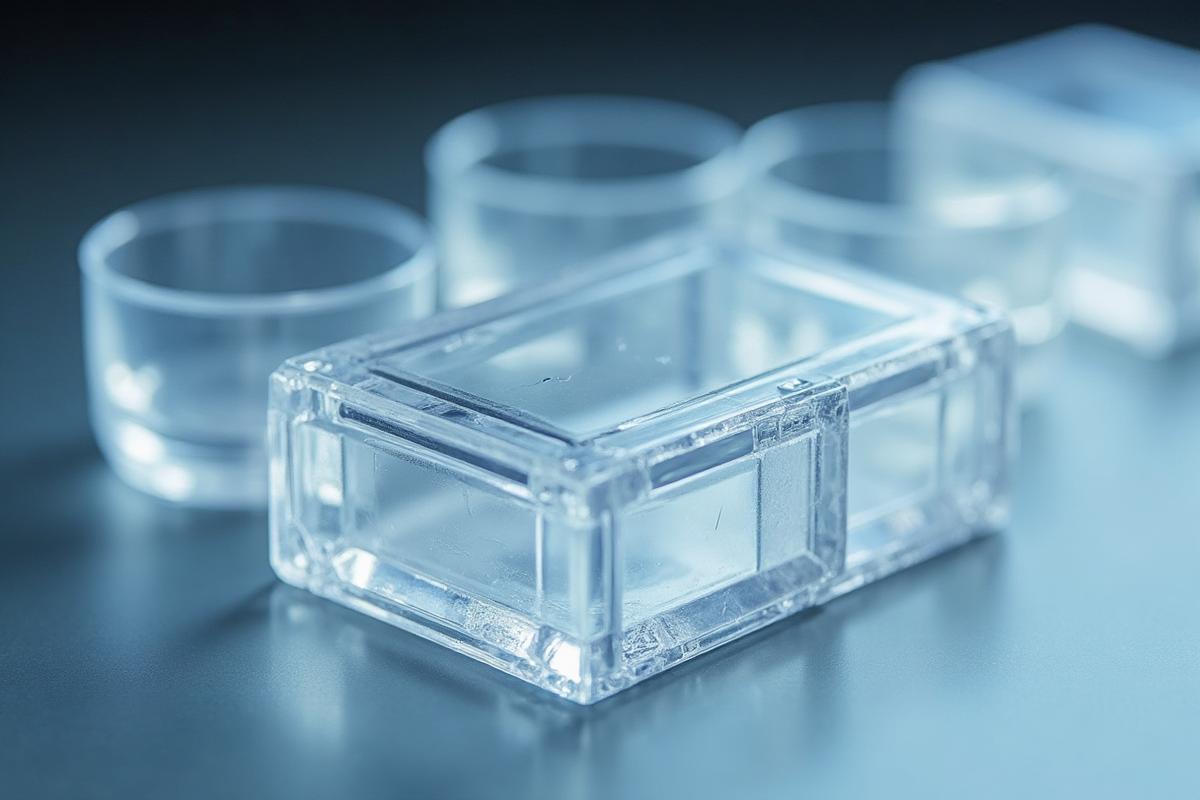
    PETG Clear Parts

    PETG - Tough, weather-resistant for outdoor use
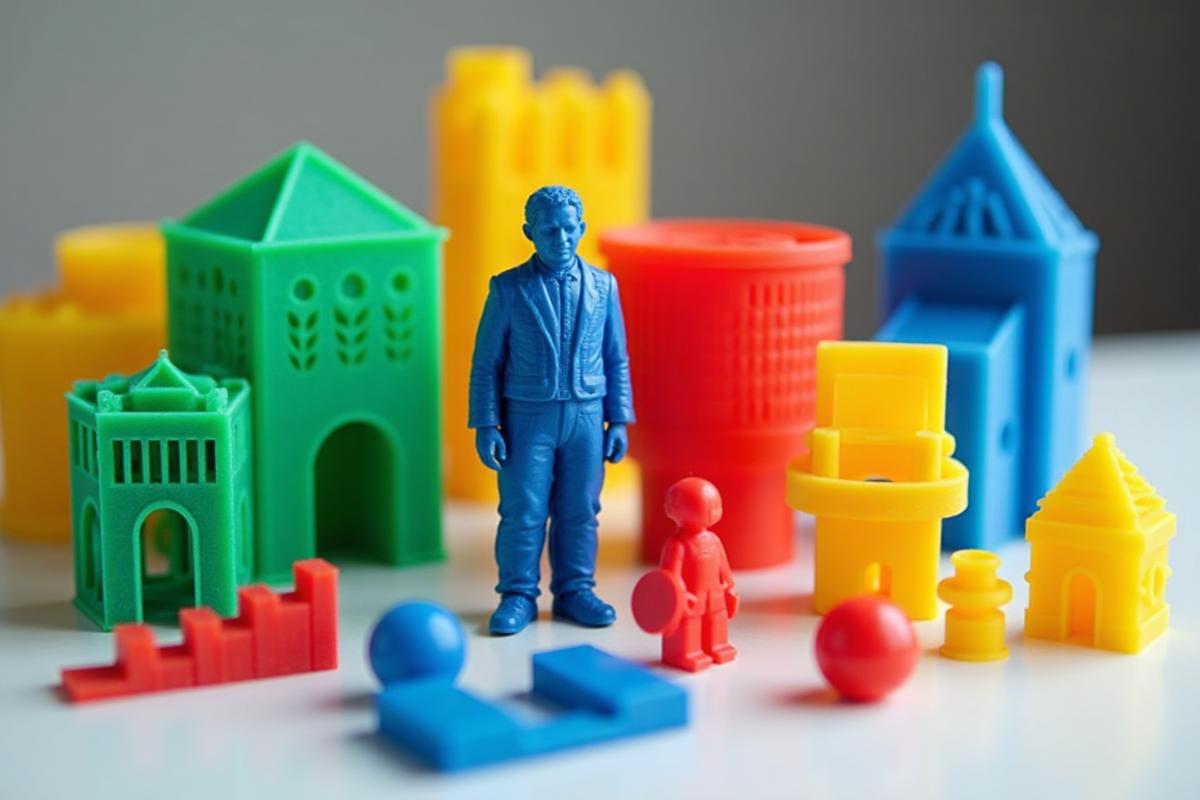
    PLA Eco-Friendly

    PLA - Easy to print with excellent finish
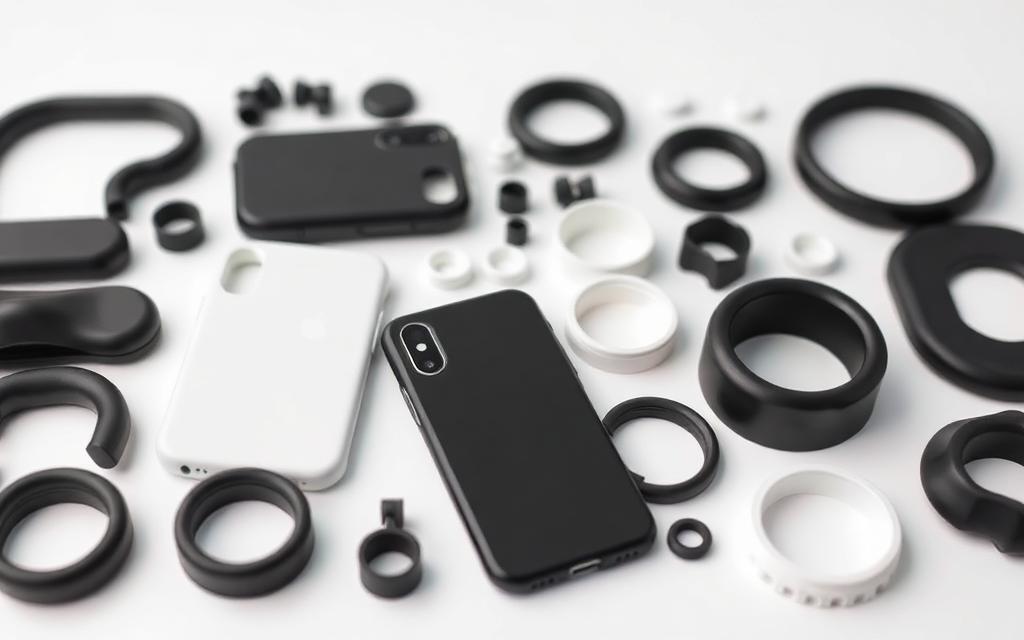
    TPU Flexible Parts

    TPU - Soft and flexible for grips and gaskets
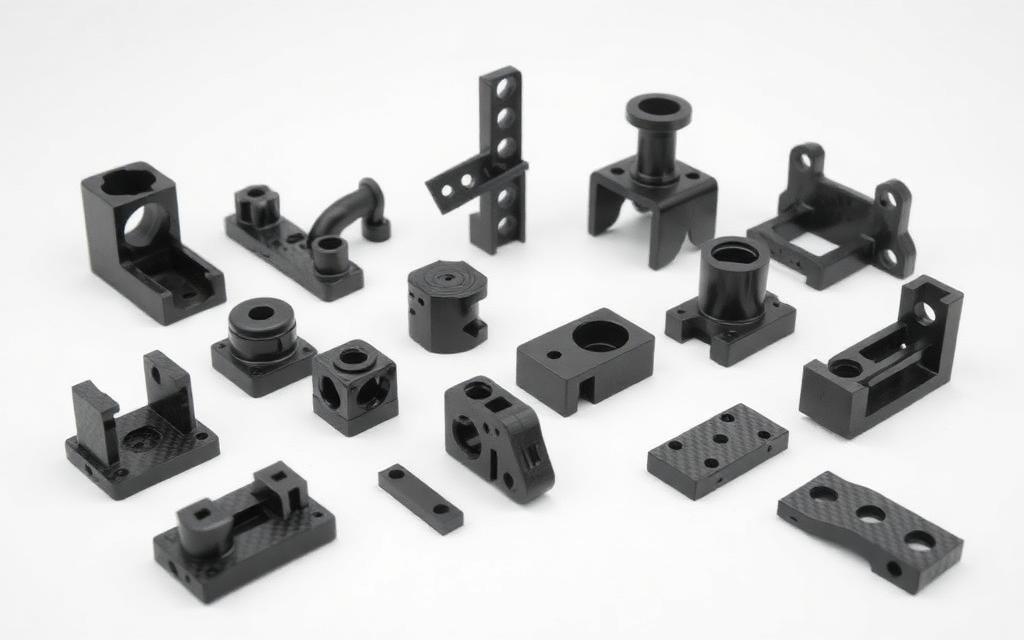
    PAHT-CF Engineering Parts

    PAHT-CF - Carbon fiber reinforced for engineering
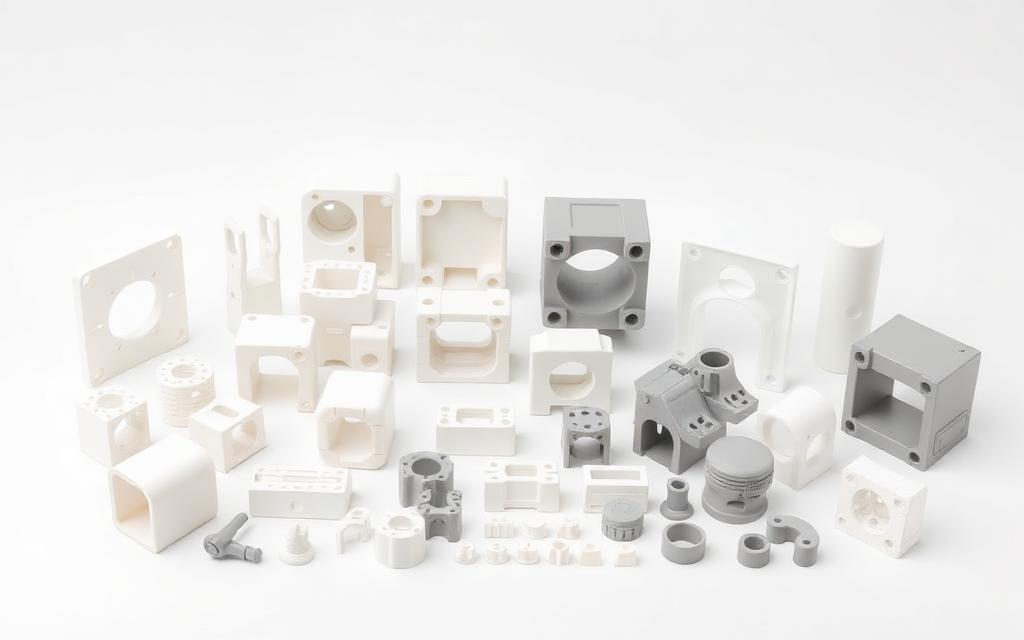
    PA6-GF Industrial Parts

    PA6-GF - Glass fiber reinforced for industrial use

    Discover our comprehensive range of 3D printing materials. Each material offers unique properties and characteristics suited for different applications and requirements.

    PA12
    Nylon 12 (Polyamide 12)

    Versatile engineering thermoplastic with excellent mechanical properties and chemical resistance

    SLS
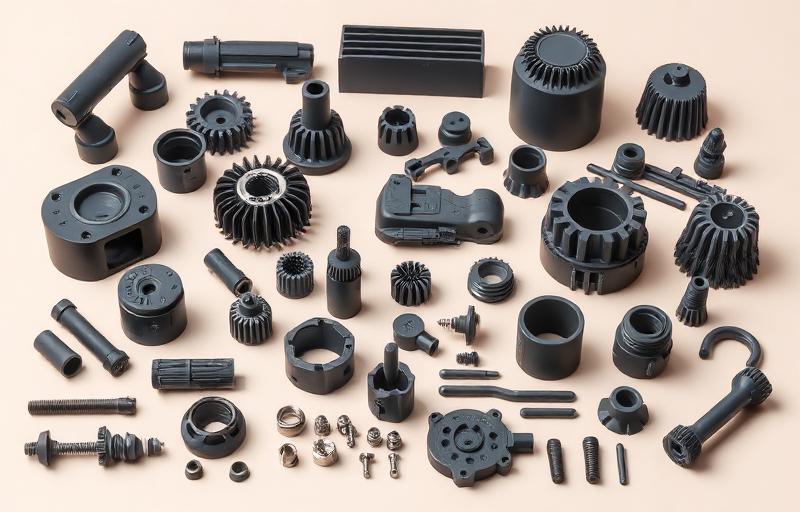
    Dark grey PA12 nylon parts

    High-quality PA12 parts in natural dark grey finish

    Material Properties

    Tensile Strength
    48 MPa
    Flexural Modulus
    1350 MPa
    Impact Strength (Charpy)
    4.5 kJ/m²
    Heat Deflection (HDT)
    152°C
    Density
    1.01 g/cm³
    Shore Hardness
    D76

    🎨Color & Finish Options

    Dark grey
    Black dyeing available
    Material advantages showcase

    Key Advantages

    Primary benefits of PA12
    Excellent mechanical properties
    Good chemical resistance
    Low moisture absorption
    Biocompatible (USP Class VI)
    Material limitations and considerations

    Considerations

    Important factors to consider for PA12

    UV degradation over time
    Limited temperature resistance
    Slightly hygroscopic
    Material applications showcase

    Best Applications

    Ideal use cases for PA12
    Functional prototypes
    End-use parts
    Automotive components
    Medical devices
    Design guidelines and specifications

    Design Guidelines

    Essential design rules for PA12
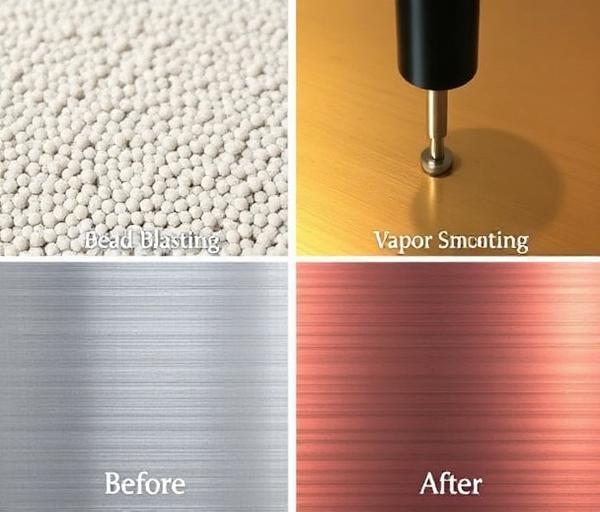
    Minimum wall thickness: 0.8mm
    Recommended wall thickness: 1.2mm+
    Sharp corners should be filleted
    Post-processing and finishing options

    Processing Options

    Available finishing services

    Bead blasting for smooth finish
    Black dyeing available
    Machining possible

    PA12-GF
    Glass-Filled Nylon 12

    Reinforced nylon with glass fibers for enhanced strength and stiffness

    SLS
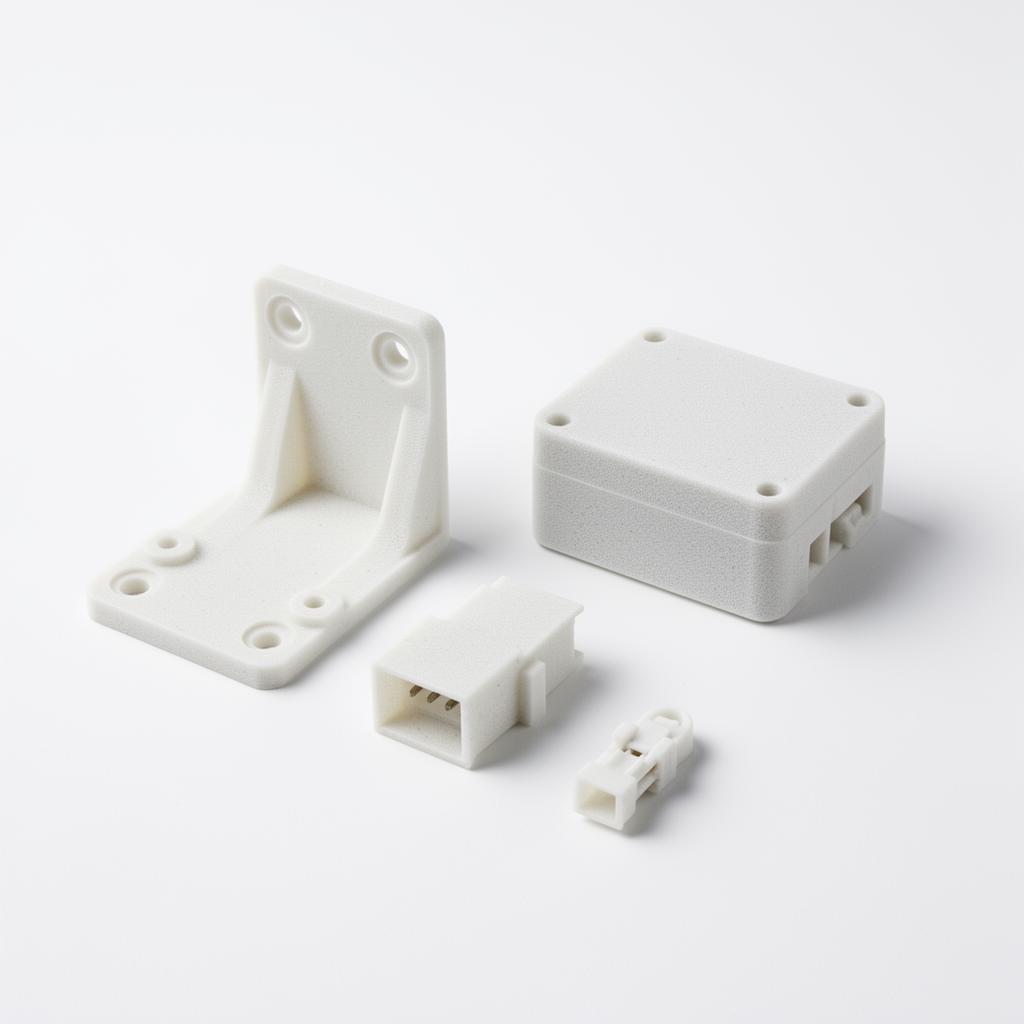
    Glass-filled PA12 parts

    Strong PA12-GF parts with enhanced mechanical properties

    Material Properties

    Tensile Strength
    51 MPa
    Flexural Modulus
    2300 MPa
    Impact Strength (Charpy)
    3.2 kJ/m²
    Heat Deflection (HDT)
    165°C
    Density
    1.22 g/cm³
    Shore Hardness
    D80

    🎨Color & Finish Options

    Off-white
    Black dye only
    Material advantages showcase

    Key Advantages

    Primary benefits of PA12-GF

    Higher strength than standard PA12
    Increased stiffness
    Better dimensional stability
    Improved heat resistance
    Material limitations and considerations

    Considerations

    Important factors to consider for PA12-GF

    More abrasive to tools
    Rougher surface finish
    Off-white or black dye only
    Material applications showcase

    Best Applications

    Ideal use cases for PA12-GF

    Structural components
    Automotive under-hood parts
    Industrial equipment
    High-stress applications
    Design guidelines and specifications

    Design Guidelines

    Essential design rules for PA12-GF

    Minimum wall thickness: 1.0mm
    Recommended thickness: 1.5mm+
    Avoid sharp stress concentrators
    Post-processing and finishing options

    Processing Options

    Available finishing services

    Bead blasting standard
    Machining with carbide tools
    Limited finishing options

    ABS
    Acrylonitrile Butadiene Styrene

    Strong, durable thermoplastic with excellent heat and impact resistance for functional parts and engineering prototypes

    FDM
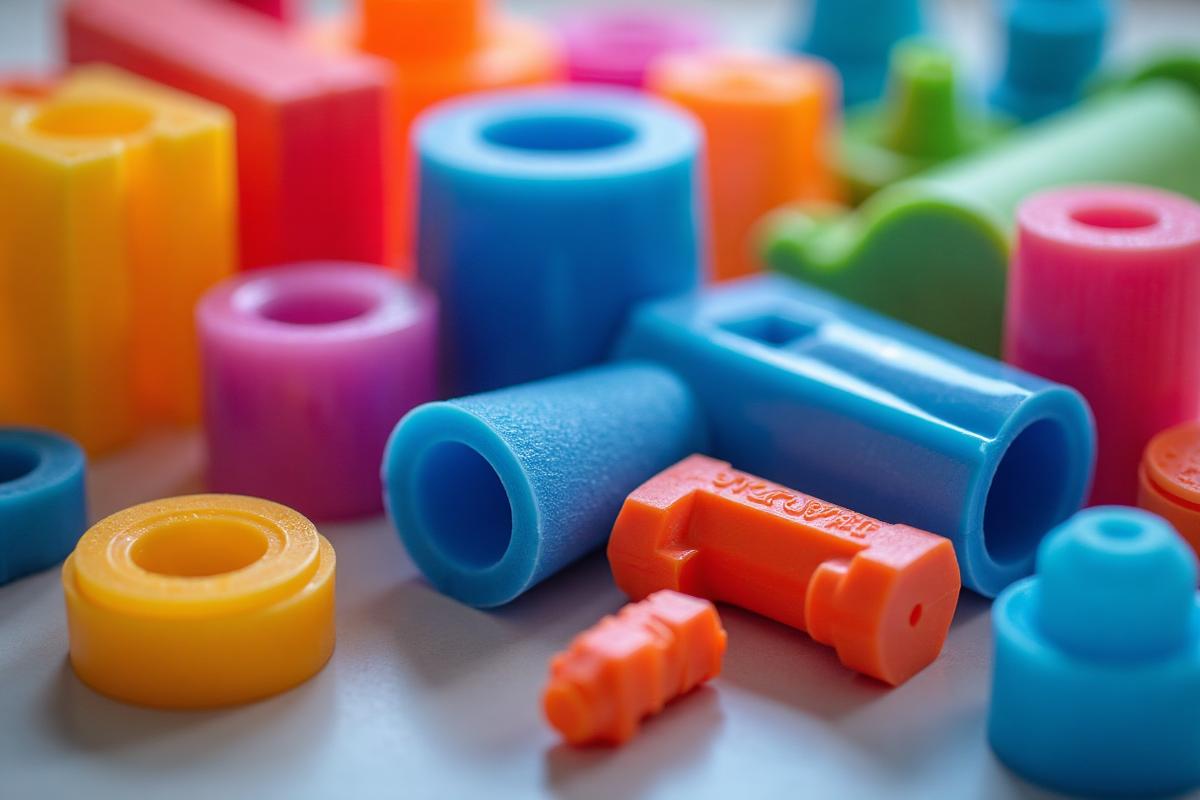
    Colorful ABS parts

    Durable ABS prototypes for functional applications

    Ideal For
    Functional engineering parts needing heat resistance and durability
    Not Ideal For
    Food-contact items, open-frame printers, or prolonged UV exposure

    Material Properties

    Tensile Strength
    40 MPa
    Bending Strength
    62 MPa
    Flexural Modulus
    2100 MPa
    Impact Strength (Charpy)
    20 kJ/m²
    Elongation at Break
    10%
    Heat Deflection (HDT)
    87°C
    Density
    1.04 g/cm³

    Printing Parameters

    Nozzle Temp
    240–270°C
    Bed Temp
    90–110°C
    Max Print Speed
    200 mm/s

    🎨Color & Finish Options

    Various colors available
    Multiple color options
    Painting compatible
    Material advantages showcase

    Key Advantages

    Primary benefits of ABS

    Excellent heat resistance (HDT 87°C)
    High impact resistance even at low temps
    Strong and durable for functional parts
    Water-resistant for wet environments
    Material limitations and considerations

    Considerations

    Important factors to consider for ABS

    Requires enclosed printer (warping risk)
    Fumes during printing (ventilation needed)
    UV degradation over time
    Material applications showcase

    Best Applications

    Ideal use cases for ABS

    Functional prototypes
    Automotive interiors
    Consumer electronics housings
    Appliance components
    Design guidelines and specifications

    Design Guidelines

    Essential design rules for ABS

    Minimum wall thickness: 1.2mm
    Use enclosed printer to reduce warping
    Apply glue stick for bed adhesion
    Post-processing and finishing options

    Processing Options

    Available finishing services

    Support removal
    Sanding and smoothing
    Acetone vapor smoothing

    PETG
    Polyethylene Terephthalate Glycol

    Tough, weather-resistant thermoplastic matching PLA-level strength while maintaining excellent impact resistance — ideal for outdoor and functional parts

    FDM
    Transparent PETG parts

    Durable PETG parts for outdoor and functional use

    Ideal For
    Outdoor, chemical-resistant, and transparent applications
    Not Ideal For
    Scratch-prone cosmetic surfaces or extremely rigid structural loads

    Material Properties

    Tensile Strength
    50 MPa
    Bending Strength
    75 MPa
    Flexural Modulus
    2000 MPa
    Impact Strength (Charpy)
    34.2 kJ/m²
    Elongation at Break
    23%
    Heat Deflection (HDT)
    85°C
    Density
    1.27 g/cm³

    Printing Parameters

    Nozzle Temp
    230–260°C
    Bed Temp
    70–80°C
    Max Print Speed
    200 mm/s

    🎨Color & Finish Options

    Clear/transparent, various colors
    Transparent and colored options
    Material advantages showcase

    Key Advantages

    Primary benefits of PETG

    Strong — bending strength matches PLA (75 MPa)
    High toughness (34.2 kJ/m² impact resistance)
    Excellent UV, water, and temperature resistance
    Cost-effective for outdoor applications
    Material limitations and considerations

    Considerations

    Important factors to consider for PETG

    Scratches more easily than ABS
    Can string during printing (less than standard PETG)
    Requires drying for best results
    Material applications showcase

    Best Applications

    Ideal use cases for PETG

    Outdoor accessories and tools
    Structural household parts
    Holders, wall hooks, brackets, clips
    Functional garden and bathroom items
    Design guidelines and specifications

    Design Guidelines

    Essential design rules for PETG

    Minimum wall thickness: 1.0mm
    Avoid sharp corners
    Consider transparency needs
    Post-processing and finishing options

    Processing Options

    Available finishing services

    Support removal
    Light sanding only
    Chemical polishing

    PLA
    Polylactic Acid

    The most reliable and easy-to-print material with excellent surface finish, wide color selection, and high-speed printing capability

    FDM
    Colorful PLA prototypes

    Eco-friendly PLA parts in a wide range of colors and finishes

    Ideal For
    Visual prototypes, rapid iterations, and decorative models
    Not Ideal For
    Outdoor use, high-temperature environments, or high-stress loads

    Material Properties

    Tensile Strength
    37 MPa
    Bending Strength
    76 MPa
    Flexural Modulus
    3500 MPa
    Impact Strength (Charpy)
    20.6 kJ/m²
    Elongation at Break
    6%
    Heat Deflection (HDT)
    57°C
    Density
    1.24 g/cm³

    Printing Parameters

    Nozzle Temp
    190–220°C
    Bed Temp
    45–65°C
    Max Print Speed
    300 mm/s

    🎨Color & Finish Options

    Wide range of colors including matte finishes
    Extensive color palette
    Matte and specialty finishes
    Material advantages showcase

    Key Advantages

    Primary benefits of PLA

    Easiest material to print — no calibration needed
    Excellent surface finish with minimal layer lines
    High-speed printing up to 300mm/s
    Widest color selection available
    Material limitations and considerations

    Considerations

    Important factors to consider for PLA

    Low temperature resistance (HDT 57°C)
    Brittle under high stress
    UV degradation over time
    Material applications showcase

    Best Applications

    Ideal use cases for PLA

    Concept models and visual prototypes
    Educational and display models
    Art and decorative items
    Architectural models
    Design guidelines and specifications

    Design Guidelines

    Essential design rules for PLA

    Minimum wall thickness: 1.0mm
    Avoid high-stress applications
    Not suitable for temps above 55°C
    Post-processing and finishing options

    Processing Options

    Available finishing services

    Support removal
    Sanding and finishing
    Painting

    TPU
    Thermoplastic Polyurethane (Shore 90A & 68D)

    Flexible polyurethane available in two hardnesses — soft Shore 90A for grips/gaskets and semi-rigid Shore 68D for impact-resistant housings and AMS multi-color prints

    FDM
    Flexible TPU parts

    TPU available in 90A (flexible) and 68D (semi-rigid) for grips, gaskets, bumpers, and housings

    Available Hardness Variants

    TPU 90A — Flexible (Shore 90A)
    Use for: Gaskets, phone grips, seals, vibration dampers, wearables, shoe insoles
    Rubber-like flex, >650% elongation, slow print (~30 cm³/hr)
    Ideal For
    Flexible or semi-rigid parts — pick 90A for soft/rubbery, 68D for impact-resistant housings
    Not Ideal For
    Rigid structural components needing high stiffness or precise threads

    Material Properties

    Tensile Strength
    27–43 MPa (90A → 68D)
    Elongation at Break
    300–650% (68D → 90A)
    Shore Hardness
    90A or 68D
    Density
    1.21 g/cm³
    Melting Temperature
    183°C
    Water Absorption
    High (requires drying)

    Printing Parameters

    Nozzle Temp
    220–240°C
    Bed Temp
    30–50°C
    Max Print Speed
    30–60 mm/s (hardness-dependent)

    🎨Color & Finish Options

    White, Black, Red, Blue, Yellow, Gray
    Multiple color options available
    Material advantages showcase

    Key Advantages

    Primary benefits of TPU

    Two hardnesses cover soft-flex through semi-rigid use cases
    Outstanding impact resistance and tear strength
    Excellent interlayer adhesion
    Cold-temperature resilience
    Material limitations and considerations

    Considerations

    Important factors to consider for TPU

    Slower print speeds than rigid materials
    Requires drying before use (humidity sensitive)
    Limited stiffness for structural use
    Material applications showcase

    Best Applications

    Ideal use cases for TPU

    Phone cases, device bumpers, drop protection
    Gaskets, seals, O-rings (90A)
    Vibration dampeners and mounts
    Hose fittings and semi-rigid couplings (68D)
    Design guidelines and specifications

    Design Guidelines

    Essential design rules for TPU

    Minimum wall thickness: 1.2mm
    Avoid very thin, tall features
    Design for flex direction (90A) or impact path (68D)
    Post-processing and finishing options

    Processing Options

    Available finishing services

    Support removal (manual)
    Light trimming
    No chemical smoothing available

    PAHT-CF
    Carbon Fiber Reinforced Nylon (PA12-CF)

    High-performance composite of PA12 and carbon fiber delivering exceptional strength, heat resistance up to 194°C, and low moisture absorption for engineering-grade parts

    FDM
    Carbon fiber nylon parts

    Engineering-grade PAHT-CF parts with carbon fiber reinforcement

    Ideal For
    Maximum heat and strength engineering — jigs, tooling, and functional parts
    Not Ideal For
    Budget prototyping, color variety, or open-frame printers

    Material Properties

    Tensile Strength
    92 MPa
    Bending Strength
    125 MPa
    Flexural Modulus
    4230 MPa
    Impact Strength (Charpy)
    57.5 kJ/m²
    Elongation at Break
    8.4%
    Heat Deflection (HDT)
    194°C
    Density
    1.06 g/cm³
    Water Absorption
    0.88%

    Printing Parameters

    Nozzle Temp
    260–290°C
    Bed Temp
    80–100°C
    Max Print Speed
    100 mm/s

    🎨Color & Finish Options

    Black (carbon fiber finish)
    Black only
    Material advantages showcase

    Key Advantages

    Primary benefits of PAHT-CF

    Exceptional heat resistance (HDT 194°C)
    Very high tensile strength (92 MPa)
    133% better Z-layer impact than standard PA-CF
    Low water absorption (50% less than PA-CF)
    Material limitations and considerations

    Considerations

    Important factors to consider for PAHT-CF

    Requires enclosed printer
    Must be dried before printing (80°C, 8-12hrs)
    Black color only
    Material applications showcase

    Best Applications

    Ideal use cases for PAHT-CF

    Functional engineering prototypes
    Machining fixtures and jigs
    Injection mold tooling
    Low-volume production parts
    Design guidelines and specifications

    Design Guidelines

    Essential design rules for PAHT-CF

    Minimum wall thickness: 1.0mm
    Use 0.6mm hardened steel nozzle (recommended)
    Remove supports within 2hrs of printing
    Post-processing and finishing options

    Processing Options

    Available finishing services

    Support removal (within 2hrs recommended)
    Light sanding possible
    Annealing for enhanced properties

    PA6-GF
    Glass Fiber Reinforced Nylon 6

    High-strength glass fiber reinforced engineering plastic with exceptional durability, dimensional stability, and heat resistance up to 182°C — a cost-effective alternative to carbon fiber composites

    FDM
    Glass fiber nylon parts

    Strong PA6-GF parts for industrial and automotive applications

    Ideal For
    Industrial and automotive heat applications with cost-effective composite strength
    Not Ideal For
    Prolonged moisture exposure without sealing or budget prototyping

    Material Properties

    Tensile Strength
    75 MPa
    Bending Strength
    120 MPa
    Flexural Modulus
    3670 MPa
    Impact Strength (Charpy)
    27.2 kJ/m²
    Elongation at Break
    5.8%
    Heat Deflection (HDT)
    182°C
    Density
    1.14 g/cm³
    Water Absorption
    1.8%

    Printing Parameters

    Nozzle Temp
    260–290°C
    Bed Temp
    80–100°C
    Max Print Speed
    130 mm/s

    🎨Color & Finish Options

    White, Black, Blue, Orange, Gray
    Multiple color options
    Smooth surface finish
    Material advantages showcase

    Key Advantages

    Primary benefits of PA6-GF

    Exceptional heat resistance (HDT 182°C)
    High bending strength (120 MPa)
    Excellent dimensional stability
    Superior chemical and oil resistance
    Material limitations and considerations

    Considerations

    Important factors to consider for PA6-GF

    Requires enclosed printer
    Must be dried before printing (80°C, 8-12hrs)
    Sensitive to moisture during storage
    Material applications showcase

    Best Applications

    Ideal use cases for PA6-GF

    Automotive under-hood components
    Industrial equipment parts
    Structural brackets and mounts
    High-temperature fixtures
    Design guidelines and specifications

    Design Guidelines

    Essential design rules for PA6-GF

    Minimum wall thickness: 1.0mm
    Use 0.6mm hardened steel nozzle (recommended)
    Apply glue stick for bed adhesion
    Post-processing and finishing options

    Processing Options

    Available finishing services

    Support removal (within 2hrs recommended)
    Annealing at 80-130°C for enhanced rigidity
    Machining with carbide tools

    PC FR
    Polycarbonate Flame-Retardant

    High-strength flame-retardant polycarbonate with HDT ~110°C — engineered for electrical enclosures, transit/aerospace housings, and safety-rated parts requiring UL94 V-0 class flammability behavior

    FDM
    Flame-retardant polycarbonate parts

    PC FR flame-retardant housings and enclosures

    Ideal For
    Flame-retardant electrical enclosures, transit/aerospace housings, and safety covers
    Not Ideal For
    Long-term outdoor UV exposure, food contact, or flexible parts

    Material Properties

    Tensile Strength
    65 MPa
    Bending Strength
    95 MPa
    Flexural Modulus
    2300 MPa
    Impact Strength (Charpy)
    12 kJ/m²
    Elongation at Break
    6%
    Heat Deflection (HDT)
    110°C
    Density
    1.20 g/cm³
    Water Absorption
    0.4%

    Printing Parameters

    Nozzle Temp
    270–300°C
    Bed Temp
    100–110°C
    Max Print Speed
    40–60 mm/s

    🎨Color & Finish Options

    Black
    Standard
    Material advantages showcase

    Key Advantages

    Primary benefits of PC FR

    Flame-retardant (UL94 V-0 class typical)
    High heat deflection (~110°C)
    Strong and impact-tough
    Good electrical insulation
    Material limitations and considerations

    Considerations

    Important factors to consider for PC FR

    Requires high-temp enclosed printer
    UV-sensitive over long exposure
    Premium material cost
    Material applications showcase

    Best Applications

    Ideal use cases for PC FR

    Electrical enclosures and housings
    Battery and PCB covers
    Transit and aerospace interior parts
    Safety covers and shields
    Design guidelines and specifications

    Design Guidelines

    Essential design rules for PC FR

    Minimum wall thickness: 1.2mm
    Use 0.4–0.6mm hardened steel nozzle
    Enclosed chamber required to prevent warping
    Post-processing and finishing options

    Processing Options

    Available finishing services

    Support removal
    Light sanding
    Painting with adhesion promoter

    ASA
    Acrylonitrile Styrene Acrylate (UV-Stable)

    UV-stable, weather-resistant ABS alternative engineered for outdoor use — keeps color and mechanical properties under sustained sun exposure where ABS would yellow and crack

    FDM
    UV-stable ASA outdoor parts

    ASA outdoor brackets, signage, and weatherable enclosures

    Ideal For
    Outdoor brackets, signage, automotive trim, and weatherable enclosures
    Not Ideal For
    Sustained heat above ~95°C, food contact, or transparent parts

    Material Properties

    Tensile Strength
    40 MPa
    Bending Strength
    70 MPa
    Flexural Modulus
    2000 MPa
    Impact Strength (Charpy)
    18 kJ/m²
    Elongation at Break
    10%
    Heat Deflection (HDT)
    95°C
    Density
    1.07 g/cm³
    Water Absorption
    0.5%

    Printing Parameters

    Nozzle Temp
    240–260°C
    Bed Temp
    90–110°C
    Max Print Speed
    60–80 mm/s

    🎨Color & Finish Options

    Black, White, Gray
    Standard
    Material advantages showcase

    Key Advantages

    Primary benefits of ASA

    UV and weather resistant — won't yellow outdoors
    Better impact strength than ABS
    Paintable and easily glued
    Good chemical resistance
    Material limitations and considerations

    Considerations

    Important factors to consider for ASA

    Mild styrene odor during printing (use ventilation)
    Heat ceiling around 95°C
    Requires enclosed or partially enclosed printer
    Material applications showcase

    Best Applications

    Ideal use cases for ASA

    Outdoor brackets and mounts
    Signage and architectural trim
    Automotive exterior trim
    Weatherable enclosures
    Design guidelines and specifications

    Design Guidelines

    Essential design rules for ASA

    Minimum wall thickness: 1.0mm
    Use 0.4–0.6mm nozzle
    Enclosed chamber improves layer adhesion
    Post-processing and finishing options

    Processing Options

    Available finishing services

    Support removal
    Acetone vapor smoothing (limited, ASA-specific)
    Sanding and painting

    Full Color Resin
    UV-Cured Full-Color Photopolymer
    New

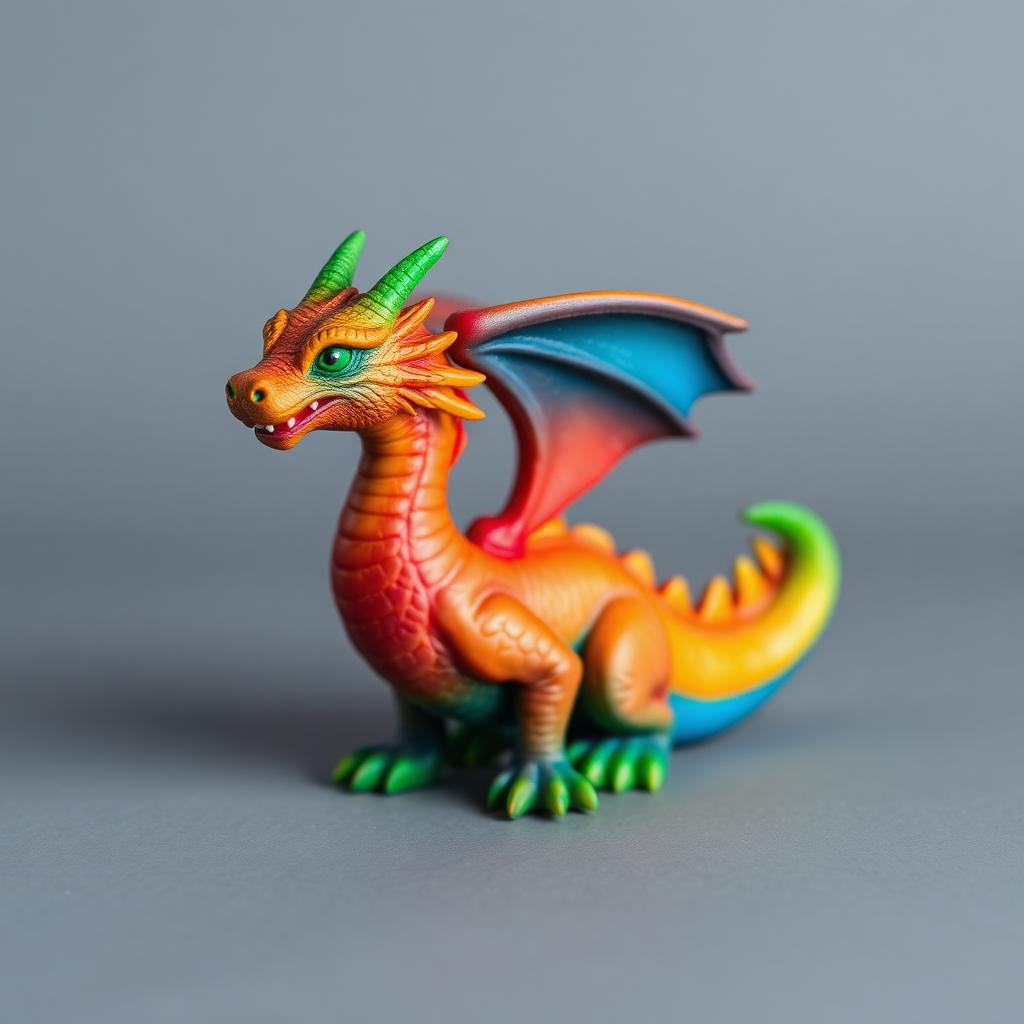
    Photopolymer jetted in CMYK + white + clear and cured layer-by-layer, producing photorealistic full-color parts in a single pass — no painting required.
    Full Color SLA
    Full color 3D printed figurine

    Photorealistic figurines with smooth color gradients
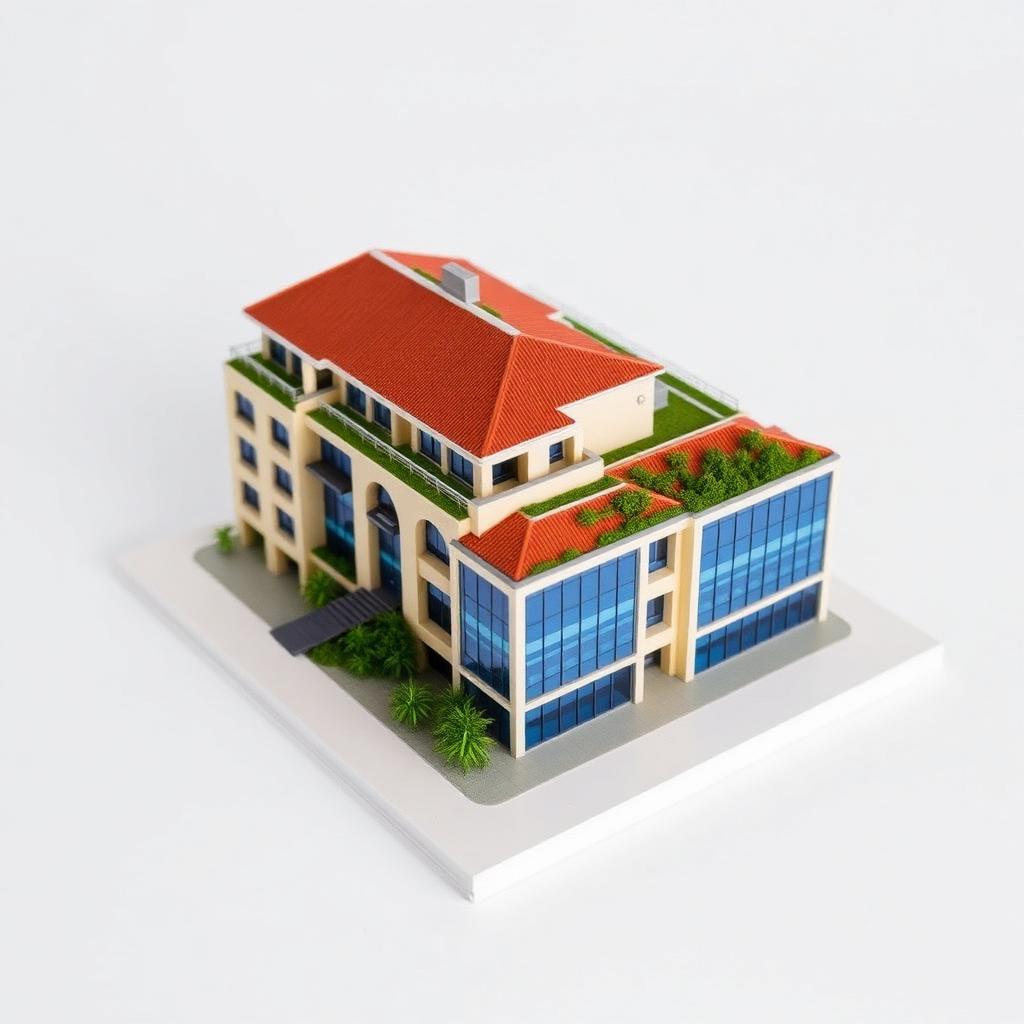
    Full color architectural model

    Multi-color architectural and product models

    Material Properties

    Tensile Strength
    45 MPa
    Flexural Modulus
    1800 MPa
    Impact Strength (Charpy)
    2.5 kJ/m²
    Heat Deflection (HDT)
    55°C
    Density
    1.18 g/cm³
    Shore Hardness
    D80

    🎨Color & Finish Options

    Full CMYK + white (10M+ colors)
    Color baked into the part via CMYK jetting
    Material advantages showcase

    Key Advantages

    Primary benefits of Full Color Resin

    Up to 10 million colors in a single print
    Photorealistic textures, gradients, and fine detail
    Ultra-fine ~0.027 mm layer thickness
    Waterproof and UV-resistant finish
    Material limitations and considerations

    Considerations

    Important factors to consider for Full Color Resin

    Best for visual / display parts — not load-bearing
    Longer lead time: 14–21 business days
    Requires a vendor-ready OBJ+MTL+texture ZIP or Meshy-generated textured GLB
    Material applications showcase

    Best Applications

    Ideal use cases for Full Color Resin

    Gaming figurines & collectibles
    Consumer product prototypes
    Architectural and scale models
    Medical and educational anatomy
    Design guidelines and specifications

    Design Guidelines

    Essential design rules for Full Color Resin

    Minimum wall thickness: 1.5 mm
    Minimum feature size: 0.5 mm
    Upload as ZIP with model + textures for accurate color
    Post-processing and finishing options

    Processing Options

    Available finishing services

    UV-cure finishing (standard)
    Clear protective coating optional
    Smooth, display-ready surface

    PA11
    Nylon 11 (Polyamide 11, bio-based)

    Bio-based nylon made from castor oil. Markedly more ductile than PA12, which makes it the choice for living hinges, snap-fits and parts that take repeated impact.

    SLS
    SAF

    Material Properties

    Tensile Strength
    48 MPa (SLS) / 51 MPa (SAF, XY)
    Flexural Modulus
    1200 MPa (SLS) / 1340 MPa (SAF, XY)
    Impact Strength (Charpy)
    7.4 kJ/m2 (SAF, notched Izod, XY)
    Elongation at Break
    45% (SLS, XY) / 30% (SAF, XY)
    Heat Deflection (HDT)
    180 C at 0.45 MPa; 47 C at 1.82 MPa (SAF)
    Density
    1.00 g/cm3
    Shore Hardness
    D80

    🎨Color & Finish Options

    Natural white / grey
    Black
    Gray
    Material advantages showcase

    Key Advantages

    Primary benefits of PA11

    100% bio-based feedstock (castor oil)
    High elongation - survives snap-fits and living hinges
    Strong impact and fatigue resistance
    Isotropic enough for production runs on SAF
    Material limitations and considerations

    Considerations

    Important factors to consider for PA11

    Heat performance falls away under load (47 C at 1.82 MPa)
    Absorbs more moisture than PA12
    Costs more than PA12 per part
    Material applications showcase

    Best Applications

    Ideal use cases for PA11

    Living hinges and snap-fit assemblies
    Impact-loaded functional parts
    Footwear and sporting goods
    Automotive interior clips and ducting
    Design guidelines and specifications

    Design Guidelines

    Essential design rules for PA11

    Minimum wall thickness: 0.8mm
    Dimensional accuracy: +/-0.3 mm or +/-0.3%
    Orient hinges so the flex axis lies in XY
    Post-processing and finishing options

    Processing Options

    Available finishing services

    Bead blasting (standard)
    Black or grey dyeing
    Painting and coating

    PA12-CF
    Carbon-Reinforced Nylon 12

    Nylon 12 filled with carbon fibre and hollow glass spheres. The stiffest and lightest of the sintered nylons - it holds its shape under load and heat, at the cost of ductility.

    SLS

    Material Properties

    Tensile Strength
    49 MPa (XY) / 33 MPa (Z)
    Flexural Modulus
    5040 MPa (XY)
    Elongation at Break
    3%
    Heat Deflection (HDT)
    180 C at 0.45 MPa; 170 C at 1.82 MPa
    Density
    0.82 g/cm3
    Shore Hardness
    n/a

    🎨Color & Finish Options

    Dark grey
    Natural dark grey only
    Material advantages showcase

    Key Advantages

    Primary benefits of PA12-CF

    Highest stiffness of the sintered nylons (5040 MPa flexural)
    Lighter than water at 0.82 g/cm3
    Holds 170 C under a full 1.82 MPa load
    Excellent dimensional stability
    Material limitations and considerations

    Considerations

    Important factors to consider for PA12-CF

    Brittle - only 3% elongation before break
    Pronounced anisotropy: Z tensile is a third lower than XY
    Not suitable for snap-fits or living hinges
    Material applications showcase

    Best Applications

    Ideal use cases for PA12-CF

    Rigid brackets and mounts
    Jigs, fixtures and tooling
    Drone and UAV structures
    Motorsport and aerospace housings
    Design guidelines and specifications

    Design Guidelines

    Essential design rules for PA12-CF

    Minimum wall thickness: 1.5mm
    Dimensional accuracy: +/-0.4 mm or 0.4% standard
    Orient load paths in XY where possible
    Post-processing and finishing options

    Processing Options

    Available finishing services

    Bead blasting (standard)
    Machining possible
    Painting and coating

    TPE
    Thermoplastic Elastomer (laser-sintered)

    A genuinely rubber-like sintered elastomer. Seals, gaskets, grips and flexible lattices with no tooling and no support structures.

    SLS

    Material Properties

    Tensile Strength
    10 MPa (XY) / 5.5 MPa (Z)
    Elongation at Break
    Over 250% (XY)
    Density
    1.08 g/cm3
    Shore Hardness
    88 Shore A (37 Shore D)

    🎨Color & Finish Options

    Black / natural white
    Black
    White
    Material advantages showcase

    Key Advantages

    Primary benefits of TPE

    Over 250% elongation with good rebound
    Soft-touch, genuinely rubber-like feel
    Passed ISO 10993 cytotoxicity and skin sensitisation testing
    Complex flexible lattices with no supports
    Material limitations and considerations

    Considerations

    Important factors to consider for TPE

    Z-direction elongation drops to around 50%
    No published heat-deflection data
    Low tensile strength - not a structural material
    Material applications showcase

    Best Applications

    Ideal use cases for TPE

    Seals and gaskets
    Grips, handles and soft-touch overlays
    Flexible lattices and cushioning
    Tubing and bellows
    Design guidelines and specifications

    Design Guidelines

    Essential design rules for TPE

    Minimum wall thickness: 0.8mm
    Layer thickness: 0.12 mm
    Dimensional accuracy: +/-0.25 mm then +/-0.5% of longest axis
    Post-processing and finishing options

    Processing Options

    Available finishing services

    Bead blasting (standard)
    Dyeing to black

    PA12 Full Color
    Full-Color Nylon 12 (Multi Jet Fusion)

    A real engineering nylon printed with colour built into the part, so colour-coded assemblies and presentation models come off the machine finished.

    MJF

    Material Properties

    Tensile Strength
    46 MPa (XY and Z)
    Impact Strength (Charpy)
    3.1 kJ/m2 (notched Izod, XY)
    Elongation at Break
    20% (XY) / 14% (Z)
    Density
    1.03 g/cm3
    Shore Hardness
    n/a

    🎨Color & Finish Options

    Full CMY colour
    Colour is jetted into the part - no dyeing needed
    Material advantages showcase

    Key Advantages

    Primary benefits of PA12 Full Color

    Isotropic tensile strength - 46 MPa in both directions
    Full colour in a functional nylon, not a display resin
    80 micron layers with fine feature detail
    Colour-coded parts need no painting or labelling
    Material limitations and considerations

    Considerations

    Important factors to consider for PA12 Full Color

    No published flexural or heat-deflection data for the colour grade
    Colour parts need thicker minimum walls than natural
    Colour is saturated rather than photorealistic
    Material applications showcase

    Best Applications

    Ideal use cases for PA12 Full Color

    Colour-coded assemblies and wiring guides
    Consumer product prototypes
    Presentation and sales models
    Anatomical and educational models
    Design guidelines and specifications

    Design Guidelines

    Essential design rules for PA12 Full Color

    Minimum wall thickness: 0.8mm natural / 1.5mm smoothed
    Layer height: 0.08 mm
    Dimensional accuracy: +/-0.38 mm XY, +/-0.5 mm Z
    Post-processing and finishing options

    Processing Options

    Available finishing services

    Bead blasting (standard)
    Vapor smoothing available

    PA12-GB
    Glass-Bead Filled Nylon 12 (Multi Jet Fusion)

    Nylon 12 loaded with glass beads for stiffness and heat resistance. The pick when a part has to hold its shape under load and temperature.

    MJF

    Material Properties

    Tensile Strength
    30 MPa (XY and Z)
    Flexural Modulus
    2400 MPa (XY) / 2700 MPa (Z)
    Impact Strength (Charpy)
    2.7 kJ/m2 (notched Izod)
    Elongation at Break
    6.5%
    Heat Deflection (HDT)
    173 C at 0.45 MPa; 121 C at 1.82 MPa
    Density
    1.30 g/cm3
    Shore Hardness
    n/a

    🎨Color & Finish Options

    Gray
    Black dyeing available
    Material advantages showcase

    Key Advantages

    Primary benefits of PA12-GB

    Holds 121 C under a full 1.82 MPa load
    High stiffness and dimensional stability
    Isotropic - same strength in every direction
    Fine 80 micron layers
    Material limitations and considerations

    Considerations

    Important factors to consider for PA12-GB

    Heavy at 1.30 g/cm3
    Brittle - 6.5% elongation
    Lower tensile strength than unfilled PA12
    Material applications showcase

    Best Applications

    Ideal use cases for PA12-GB

    Housings and enclosures near heat
    Jigs and fixtures
    Automotive under-hood components
    Structural brackets
    Design guidelines and specifications

    Design Guidelines

    Essential design rules for PA12-GB

    Minimum wall thickness: 0.75mm supported / 1.0mm unsupported
    Layer height: 0.08 mm
    Dimensional accuracy: +/-0.2 mm and +/-0.5% of length
    Post-processing and finishing options

    Processing Options

    Available finishing services

    Bead blasting (standard)
    Black dyeing
    Vapor smoothing available

    PP
    Polypropylene (Selective Absorption Fusion)

    Genuine polypropylene, not a nylon substitute. Chemically resistant, weldable and watertight - the material for ducting, tanks and fluid housings.

    SAF

    Material Properties

    Tensile Strength
    26 MPa (isotropic)
    Flexural Modulus
    992 MPa (XZ)
    Impact Strength (Charpy)
    3.5 kJ/m2 (notched, XZ)
    Elongation at Break
    22% (XZ) / 11% (Z)
    Heat Deflection (HDT)
    107 C at 0.46 MPa; 56 C at 1.82 MPa
    Density
    0.89 g/cm3
    Shore Hardness
    n/a

    🎨Color & Finish Options

    Natural grey
    Natural grey only
    Material advantages showcase

    Key Advantages

    Primary benefits of PP

    Real PP chemistry - chemical resistance and weldability
    Lightest material we offer at 0.89 g/cm3
    Very low moisture absorption
    Watertight parts straight off the machine
    Material limitations and considerations

    Considerations

    Important factors to consider for PP

    Low stiffness and strength (26 MPa)
    Heat performance collapses under load (56 C at 1.82 MPa)
    Hard to bond or paint without surface treatment
    Material applications showcase

    Best Applications

    Ideal use cases for PP

    Ducting, manifolds and fluid housings
    Chemical-resistant containers and tanks
    Automotive interior and under-hood parts
    Living hinges
    Design guidelines and specifications

    Design Guidelines

    Essential design rules for PP

    Minimum wall thickness: 1.0mm
    Layer height: 0.1 mm
    Dimensional accuracy: +/-0.3 mm or +/-0.3% of the longest axis
    Post-processing and finishing options

    Processing Options

    Available finishing services

    Bead blasting (standard)
    Welding and joining

    Somos GP Plus
    Somos GP Plus 14122 (Stereolithography)

    General-purpose SLA resin with an injection-moulded look and feel. The default for appearance models and form-and-fit checks.

    SLA

    Material Properties

    Tensile Strength
    37 MPa
    Flexural Modulus
    2200 MPa
    Impact Strength (Charpy)
    26 J/m (notched Izod)
    Elongation at Break
    7.5%
    Heat Deflection (HDT)
    46 C at 0.46 MPa; 41 C at 1.81 MPa
    Density
    1.16 g/cm3
    Shore Hardness
    D79

    🎨Color & Finish Options

    Opaque white
    Paintable - primer recommended
    Material advantages showcase

    Key Advantages

    Primary benefits of Somos GP Plus

    Injection-mould-like appearance and feel
    Smoothest surface of any process we offer
    Excellent fine detail and crisp side walls
    Humidity resistant
    Material limitations and considerations

    Considerations

    Important factors to consider for Somos GP Plus

    Low heat resistance - 41 C at 1.81 MPa
    Brittle at 7.5% elongation
    Photopolymers degrade under prolonged UV
    Material applications showcase

    Best Applications

    Ideal use cases for Somos GP Plus

    Appearance and form-and-fit models
    Master patterns for casting
    Consumer product prototypes
    Show and photography models
    Design guidelines and specifications

    Design Guidelines

    Essential design rules for Somos GP Plus

    Minimum wall thickness: 1.0mm
    Layer height: 0.1 mm standard, 0.05 mm high resolution
    Support marks need removal on cosmetic faces
    Post-processing and finishing options

    Processing Options

    Available finishing services

    Support removal and UV post-cure (standard)
    Sanding and polishing
    Painting and priming

    Somos WaterShed XC
    Somos WaterShed XC 11122 (Stereolithography)

    The near-colourless SLA workhorse. Polishes to genuine transparency, which makes it the material for flow visualisation and clear housings.

    SLA

    Material Properties

    Tensile Strength
    50.4 MPa
    Flexural Modulus
    2205 MPa
    Impact Strength (Charpy)
    25 J/m (notched Izod)
    Elongation at Break
    15.5%
    Heat Deflection (HDT)
    50 C at 0.46 MPa; 49 C at 1.81 MPa
    Density
    1.12 g/cm3
    Shore Hardness
    n/a

    🎨Color & Finish Options

    Near-clear / translucent
    Polishable to optical clarity
    Tintable
    Material advantages showcase

    Key Advantages

    Primary benefits of Somos WaterShed XC

    Strongest of the SLA resins at 50.4 MPa
    Polishes to genuine optical clarity
    Highest accuracy and finest feature detail we offer
    Water resistant
    Material limitations and considerations

    Considerations

    Important factors to consider for Somos WaterShed XC

    Heat ceiling around 49 C
    Yellows under prolonged UV exposure
    Clarity needs hand polishing - not clear as printed
    Material applications showcase

    Best Applications

    Ideal use cases for Somos WaterShed XC

    Transparent housings and lenses
    Flow visualisation and fluid models
    High-accuracy fit checks
    Light pipes and covers
    Design guidelines and specifications

    Design Guidelines

    Essential design rules for Somos WaterShed XC

    Minimum wall thickness: 1.0mm
    Layer height: 0.1 mm standard, 0.05 mm high resolution
    Specify which faces need polishing for clarity
    Post-processing and finishing options

    Processing Options

    Available finishing services

    Support removal and UV post-cure (standard)
    Polishing to clear
    Painting and coating

    Somos WaterShed Black
    Somos WaterShed Black (Stereolithography)

    A deep opaque black SLA resin that comes off the machine finished. No painting, and it blocks light - which matters for optical and photographic parts.

    SLA

    Material Properties

    Tensile Strength
    35 MPa
    Flexural Modulus
    1750 MPa
    Impact Strength (Charpy)
    22 J/m (notched Izod)
    Elongation at Break
    12%
    Heat Deflection (HDT)
    52 C at 0.46 MPa; 49 C at 1.81 MPa
    Density
    1.13 g/cm3
    Shore Hardness
    n/a

    🎨Color & Finish Options

    Opaque black
    Black as printed - no dyeing required
    Material advantages showcase

    Key Advantages

    Primary benefits of Somos WaterShed Black

    Uniform jet black straight off the printer
    Light blocking and non-reflective
    No painting step, so no paint on fine detail
    Same fine detail as WaterShed XC
    Material limitations and considerations

    Considerations

    Important factors to consider for Somos WaterShed Black

    Weaker than WaterShed XC (35 MPa against 50.4 MPa)
    Heat ceiling around 49 C
    Published mechanicals are inherited from WaterShed XC
    Material applications showcase

    Best Applications

    Ideal use cases for Somos WaterShed Black

    Cosmetic housings and enclosures
    Light-blocking optical components
    Camera and photographic parts
    Presentation models in black
    Design guidelines and specifications

    Design Guidelines

    Essential design rules for Somos WaterShed Black

    Minimum wall thickness: 1.0mm
    Layer height: 0.1 mm standard, 0.05 mm high resolution
    Support marks show on gloss black - specify cosmetic faces
    Post-processing and finishing options

    Processing Options

    Available finishing services

    Support removal and UV post-cure (standard)
    Sanding and polishing
    Clear coating for gloss

    ULTEM 9085
    ULTEM 9085 Polyetherimide (FDM)

    Flame-retardant high-temperature PEI. The material for certified aircraft, rail and transport interior parts, where FST compliance is the requirement.

    FDM

    Material Properties

    Tensile Strength
    76.2 MPa yield (XZ) / 54.2 MPa (ZX)
    Flexural Modulus
    2550 MPa (XZ)
    Impact Strength (Charpy)
    140 J/m (notched Izod, XZ)
    Elongation at Break
    5.8% (XZ) / 3.5% (ZX)
    Heat Deflection (HDT)
    176.9 C at 0.45 MPa; 172.9 C at 1.82 MPa
    Density
    1.27 g/cm3
    Shore Hardness
    n/a

    🎨Color & Finish Options

    Natural amber / black
    Natural amber
    Black
    Material advantages showcase

    Key Advantages

    Primary benefits of ULTEM 9085

    Holds 173 C under a full 1.82 MPa load
    FST (flame, smoke, toxicity) compliance for aircraft interiors
    Highest strength of any material we offer
    High notched impact strength in plane (140 J/m)
    Material limitations and considerations

    Considerations

    Important factors to consider for ULTEM 9085

    Strongly anisotropic - Z strength falls around 45%, impact around 67%
    Coarse 0.254-0.330 mm layers mean visible stepping
    Poor fine feature detail
    Material applications showcase

    Best Applications

    Ideal use cases for ULTEM 9085

    Aircraft and rail interior components
    Certified transport parts
    High-temperature ducting and housings
    Under-hood automotive parts
    Design guidelines and specifications

    Design Guidelines

    Essential design rules for ULTEM 9085

    Minimum wall thickness: 1.5mm
    Layer height: 0.254 mm or 0.330 mm
    Orient the load path in XZ - Z is far weaker
    Post-processing and finishing options

    Processing Options

    Available finishing services

    Support removal (standard)
    Sanding
    Machining possible

    FDM Material Comparison

    Compare key specifications across all available FDM materials at a glance

    PropertyABSPETGPLATPUPAHT-CFPA6-GFPC FRASAULTEM 9085
    Tensile Strength40 MPa50 MPa37 MPa27–43 MPa (90A → 68D)92 MPa75 MPa65 MPa40 MPa76.2 MPa yield (XZ) / 54.2 MPa (ZX)
    Bending Strength62 MPa75 MPa76 MPa—125 MPa120 MPa95 MPa70 MPa—
    Flexural Modulus2100 MPa2000 MPa3500 MPa—4230 MPa3670 MPa2300 MPa2000 MPa2550 MPa (XZ)
    Impact Strength (Charpy)20 kJ/m²34.2 kJ/m²20.6 kJ/m²—57.5 kJ/m²27.2 kJ/m²12 kJ/m²18 kJ/m²140 J/m (notched Izod, XZ)
    Elongation at Break10%23%6%300–650% (68D → 90A)8.4%5.8%6%10%5.8% (XZ) / 3.5% (ZX)
    Heat Deflection (HDT)87°C85°C57°C—194°C182°C110°C95°C176.9 C at 0.45 MPa; 172.9 C at 1.82 MPa
    Density1.04 g/cm³1.27 g/cm³1.24 g/cm³1.21 g/cm³1.06 g/cm³1.14 g/cm³1.20 g/cm³1.07 g/cm³1.27 g/cm3

    Investment Casting Metals
    Lost-Wax Casting

    True metal parts via lost-wax investment casting. Aluminum, stainless, brass and bronze — poured from a 3D-printed burnout pattern. Max part size 300 × 300 × 300 mm.
    Quote a Cast Part
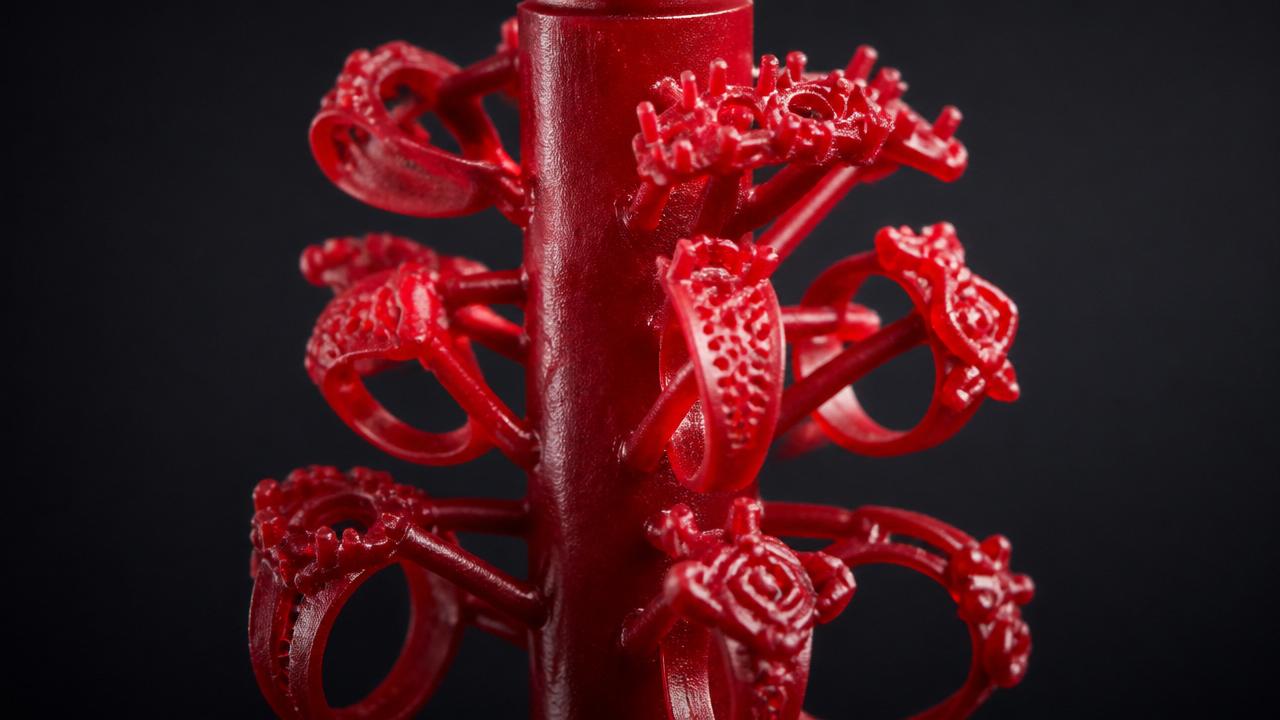
    Red wax pattern tree of jewelry rings on a central sprue

    Wax pattern tree — the burnout master for each cast run
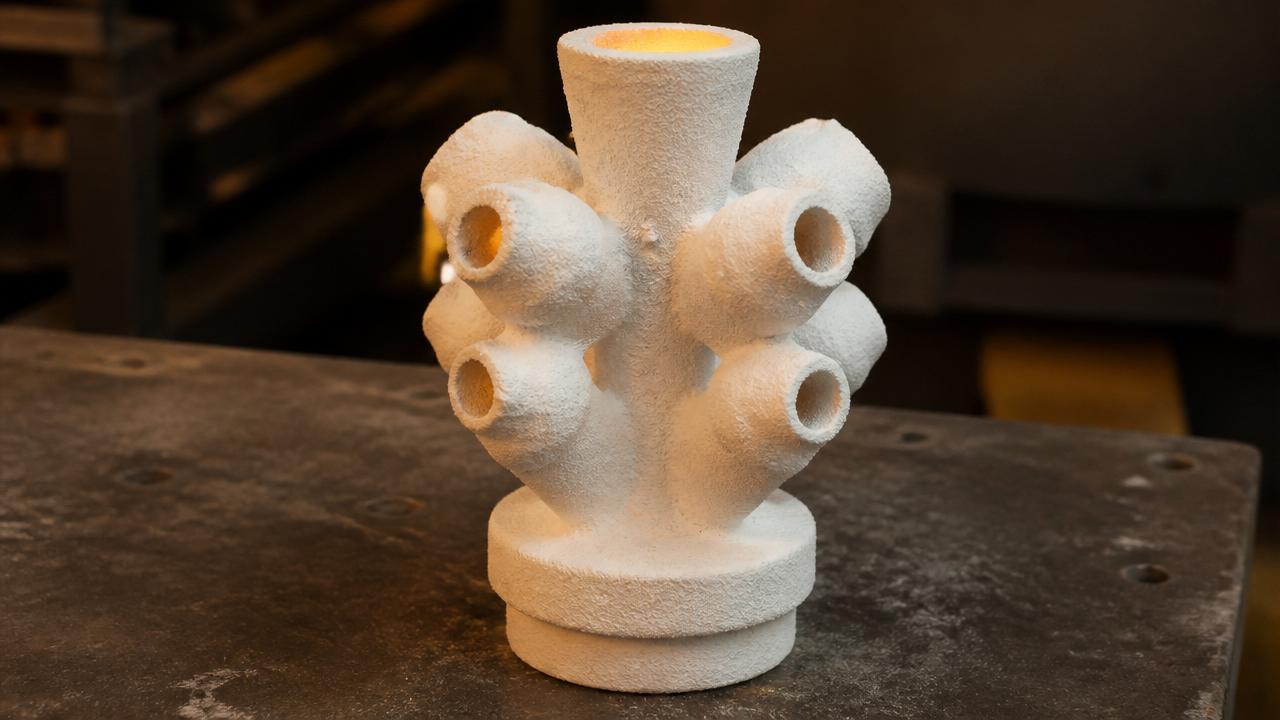
    Ceramic investment shell after wax burnout

    Ceramic shell after burnout — ready for the pour
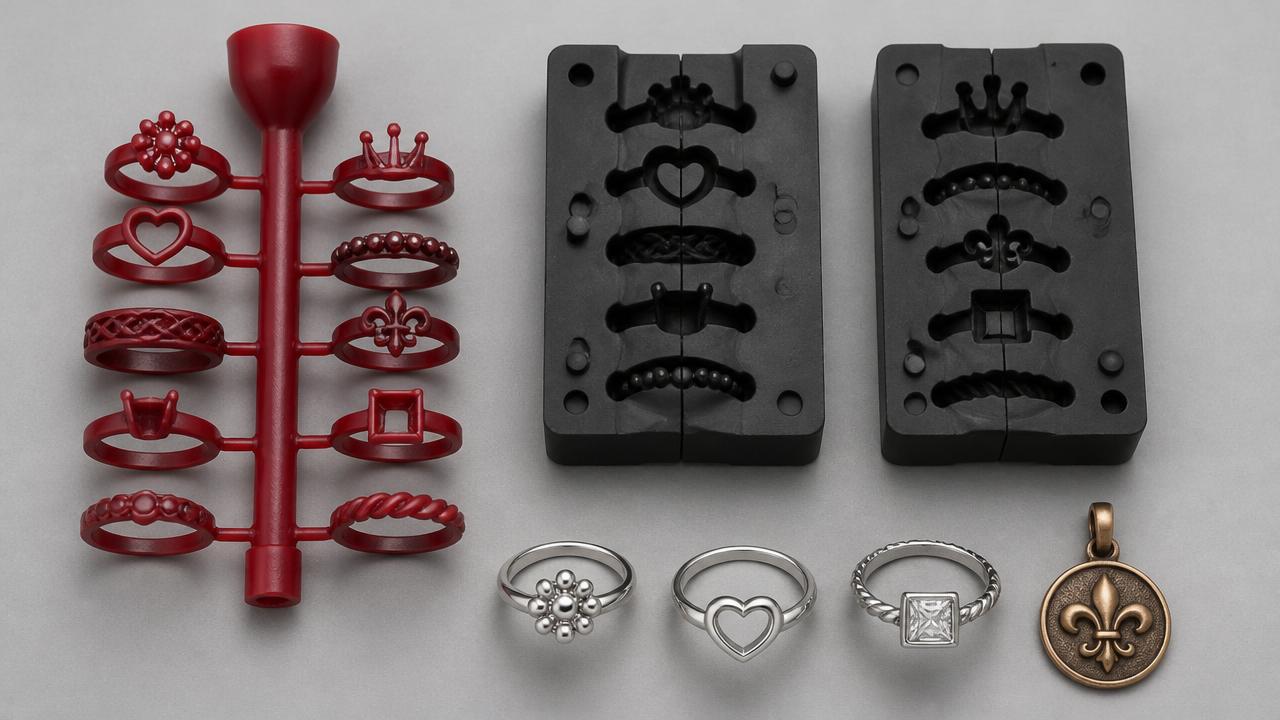
    Jewelry investment casting workflow with wax tree, silicone molds, and finished silver and bronze pieces

    Jewelry-grade molds & precious-metal finish work
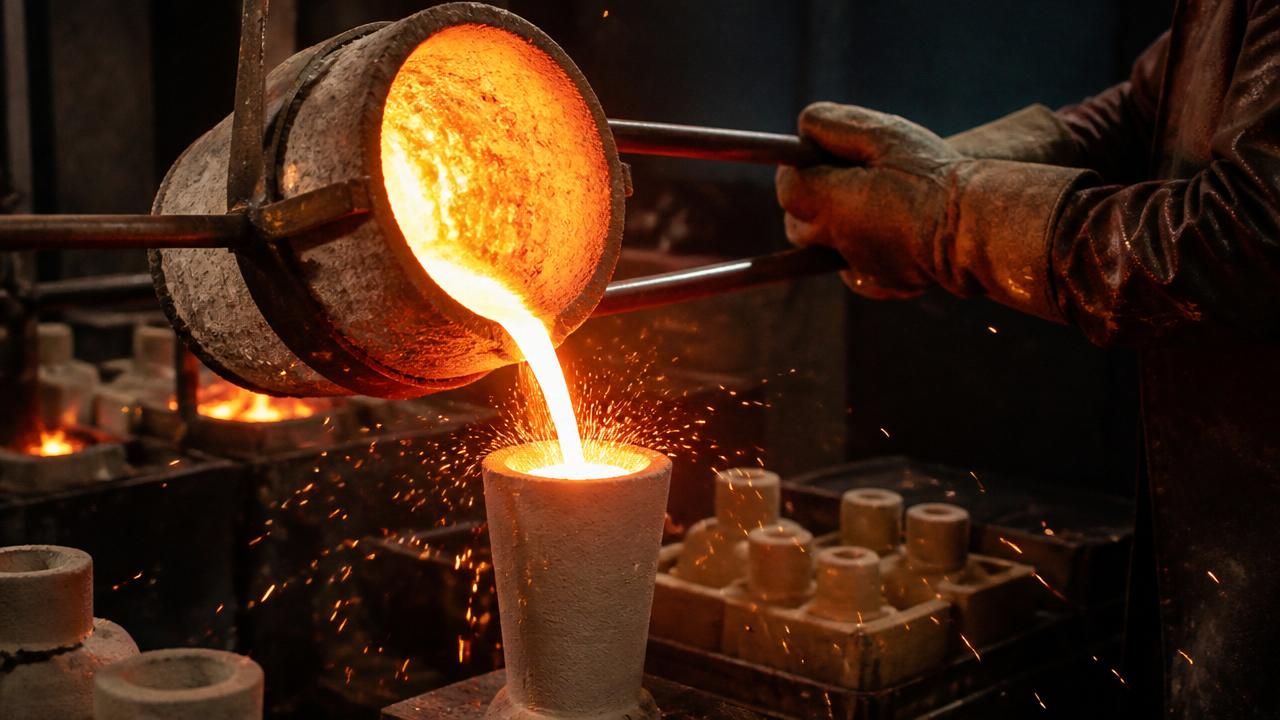
    Molten bronze being poured into a ceramic investment flask

    Molten metal poured into the invested flask
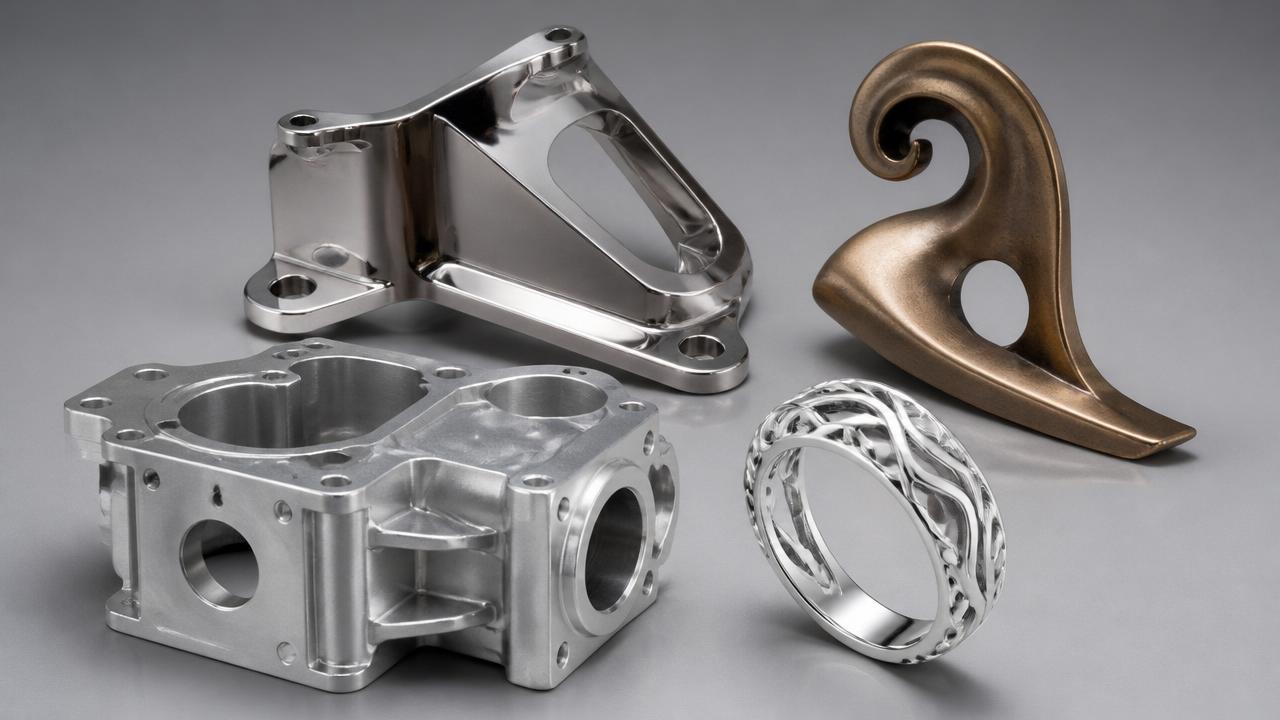
    Finished investment-cast stainless bracket, bronze sculpture, aluminum housing, and silver ring

    Finished cast parts: stainless, bronze, aluminum, silver

    Alloy FamilyFinishBest ForLead Time
    BrassNatural (tumbled)Tumbled finish; nano-coating on finished product.5–8 bd
    BronzeNatural (tumbled)Tumbled finish; nano-coating on finished product.5–8 bd
    CopperNatural (tumbled)Tumbled finish; nano-coating on finished product.5–8 bd
    BrassPolished Base MetalPolished finish; nano-coating on finished product.6–9 bd
    BronzePolished Base MetalPolished finish; nano-coating on finished product.6–9 bd
    CopperPolished Base MetalPolished finish; nano-coating on finished product.6–9 bd
    Plated Brass18kt Rose Gold Plated18-carat rose gold, 0.5-micron plating; nano-coating.7–10 bd
    Plated Brass14kt Rose Gold Plated14-carat rose gold, 0.5-micron plating; nano-coating.7–10 bd
    Plated BrassWhite RhodiumWhite rhodium, 0.5-micron plating; nano-coating.7–10 bd
    Plated BrassBlack RhodiumBlack rhodium, 0.5-micron plating; nano-coating.7–10 bd
    Silver (92.5% Sterling)Raw (tumbled)Sterling silver, tumbled.5–8 bd
    Silver (92.5% Sterling)Antique (oxidised)Sterling silver with oxidation treatment.6–9 bd
    Silver (92.5% Sterling)Polished SilverSterling silver, polished.6–9 bd
    Silver (92.5% Sterling)Vermeil (gold-plated)Sterling silver, polished + 2.5-micron 18ct yellow gold plating; nano-coating.7–10 bd
    Gold (Solid)10K Yellow10-carat solid gold, polished.6 bd
    Gold (Solid)10K Rose10-carat solid gold, polished.6 bd
    Gold (Solid)14K Yellow14-carat solid gold, polished.6 bd
    Gold (Solid)14K Rose14-carat solid gold, polished.6 bd
    Gold (Solid)18K Yellow18-carat solid gold, polished.6 bd

    Design Guidelines

    • • Minimum wall thickness: 1.5 mm
    • • Uniform wall thickness — avoid heavy/thin transitions
    • • Generous fillets on internal corners
    • • Draft not required — patterns burn out cleanly
    • • Shrinkage compensation applied automatically

    Considerations

    • • Hard size cap: 300 × 300 × 300 mm — split or RFQ if larger
    • • Lead time 14–21 business days
    • • Post-processing: blast, tumble, machining, plating, polishing
    • • Material traceability available on request
    RFQ · Quote in 24 h

    Partner-Network Materials

    Additional materials available through our managed supply chain. These run on a request-for-quote basis — share your part and we'll confirm pricing, lead time, and certification.

    CNC Machining

    Plastic and metal precision machining

    RFQ

    Injection Molding

    Rapid tooling to full production

    RFQ

    Sheet Metal Fabrication

    Laser cutting, bending, welding

    RFQ

    Metal 3D Printing

    DMLM in flight-grade alloys

    RFQ

    Vacuum Casting

    Polyurethane casting, tooling-free

    RFQ

    Die Casting

    Aluminum, zinc, magnesium alloys

    RFQ

    Need Help Choosing?

    Not sure which material is right for your project? Our intelligent quoting system will recommend the best materials based on your part geometry and requirements.